

The national anthem controversy surrounding the Atlanta Dream and Golden State Valkyries has taken another turn, with an online report claiming that the WNBA fined both teams $500,000 each for remaining off the court during the anthem at the 2026 WNBA Finals.
However, the dramatic claim remains unverified. As of October 23, there is no reliable confirmation in the reporting reviewed that the league imposed the alleged penalties. Readers should therefore be cautious about treating the reported $1 million in combined fines as established fact.
What is confirmed is that both teams were absent from the court during the national anthem before the first three games of the Finals. Their repeated pregame routine has triggered criticism from some fans, support from others, and renewed questions about the WNBA’s anthem policies.
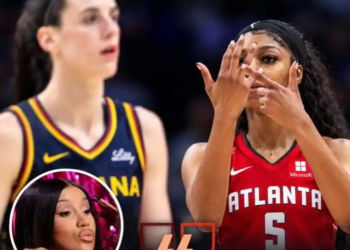
The controversy has grown beyond a pregame ceremony. It now raises questions about player expression, league consistency, public perception, and the pressure facing a league trying to keep attention focused on its championship series.
THE $500,000 FINE CLAIM NEEDS OFFICIAL CONFIRMATION
A report published by INDY UPDATE alleges that the WNBA imposed $500,000 fines on both franchises, citing a league statement and provisions concerning pregame protocols.
But the claim should not be presented as confirmed without an independently verifiable announcement from the WNBA or reliable reporting corroborating the alleged penalties.
An October 21 report from OutKick said the WNBA, the Dream, the Valkyries, and the NBA had not responded to questions about the teams’ anthem absences and whether disciplinary action was being considered. The Associated Press separately explained the history of the league’s anthem policy and the discretion teams have exercised since its suspension.
That distinction matters. A report claiming that a fine has been imposed is not the same as an official disciplinary announcement.
Until credible confirmation emerges, the alleged $500,000 penalties should be treated as an unverified claim—not a settled development in the Finals.
WHY THE DREAM AND VALKYRIES ARE UNDER SCRUTINY
The underlying controversy is real.
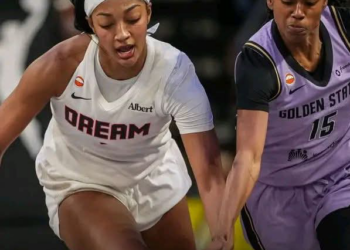
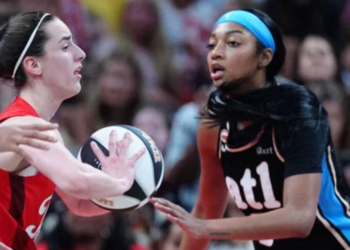
During the first three games of the 2026 WNBA Finals, players from the Atlanta Dream and Golden State Valkyries left the court before the national anthem and returned after the performance ended.
The repeated nature of the routine has intensified reactions. Some viewers believe players representing professional teams should remain on the court during the anthem. Others argue that athletes should retain discretion over their participation in patriotic ceremonies.
The disagreement has created a familiar challenge for professional sports: how to manage different expectations among players, supporters, sponsors, and the broader public.
It is also important to distinguish the players’ observable actions from assumptions about their individual motivations. The fact that both teams were absent during the anthem does not, by itself, establish why every player made that choice.
WHAT THE WNBA’S ANTHEM POLICY ACTUALLY MEANS
Part of the confusion comes from the league’s official rulebook, which contains language directing players, coaches, and trainers to stand in a dignified posture during the national anthem.
However, the written provision does not tell the entire story.
The Associated Press reported that the WNBA suspended its anthem policy in 2017, allowing teams greater discretion over participation. Leaving the court before the anthem has also been a practice among WNBA teams for several seasons.
That history complicates arguments that the Finals teams necessarily violated an actively enforced policy.
It also raises a legitimate question for league leadership: if expectations have changed over time, should the WNBA explain its current guidelines more clearly to teams and fans?
Clear communication could reduce confusion and prevent unconfirmed disciplinary claims from dominating the conversation.
HOW THE CONTROVERSY COULD AFFECT THE WNBA FINALS
The anthem debate has attracted attention that would ordinarily be devoted to the championship matchup.
That attention can have consequences. A championship series is an opportunity for players to showcase their abilities, for teams to build their reputations, and for the league to attract new viewers.
When controversy becomes the dominant storyline, basketball achievements risk being overshadowed.
The situation also presents a communications challenge for the WNBA. Silence can leave room for rumors to spread, but responding hastily without establishing the facts could create even greater confusion.
A clear, authoritative explanation of the league’s current policy would help distinguish the actual rules from assumptions circulating online.
COULD THE ALLEGED FINES CHANGE THE TEAMS’ APPROACH?
If the WNBA were to impose substantial penalties in the future, the consequences could extend beyond the immediate financial cost. Teams would need to consider the league’s stated expectations, the available appeal process, and whether their pregame routines would change.
But that remains hypothetical unless the alleged fines are confirmed.
At present, there is insufficient verified evidence to conclude that either franchise has been ordered to pay $500,000 or that an appeal has been filed.
Fans should be especially careful with claims about extraordinary financial penalties because such figures can spread quickly on social media before an official statement appears.
WHAT HAPPENS NEXT?
The immediate priority is confirmation.
An official statement from the WNBA, or reliable reporting based on independently verified information, would establish whether the league has taken disciplinary action and clarify the reasoning behind any decision.
Until then, the central facts remain straightforward: the Dream and Valkyries were absent from the court during the national anthem before the opening three games, the routine has generated substantial public debate, and the alleged $500,000 fines have not been reliably confirmed.
The controversy is unlikely to disappear while the Finals continue. But the discussion deserves accurate reporting rather than treating an unverified financial penalty as fact.
For the WNBA, the larger challenge is to communicate its policies clearly while allowing attention to return to the competition on the court.



Discussion about this post