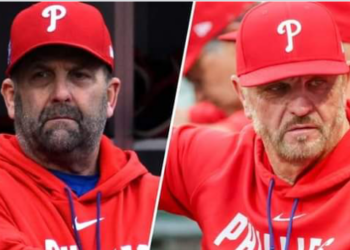
The Philadelphia Phillies are making changes to their coaching staff, and Kevin Long will not return as the team’s hitting coach. With Don Mattingly back in the manager’s seat, the decision raises an important question: Is Philadelphia finally ready to make the offensive changes needed to win a World Series?
The departure of Long, alongside infield coach Bobby Dickerson, signals that the Phillies are preparing for a different approach after another disappointing postseason exit.
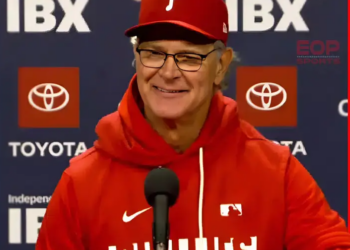
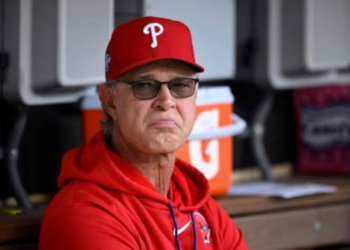
For Mattingly, this is an important early decision as the organization looks to address the problems that contributed to its October struggles. While the manager is not solely responsible for the coaching staff’s construction, the direction of the team under his leadership will inevitably come under scrutiny.
WHY KEVIN LONG’S DEPARTURE MATTERS
Long has been an important part of Philadelphia’s coaching staff, working with hitters who have helped the team establish itself as a National League contender.
However, postseason disappointment has intensified questions about the Phillies’ offensive consistency, approach at the plate, and ability to produce in high-pressure situations.
Replacing a hitting coach does not automatically solve those problems. Players must execute, adjust to opposing pitchers, and make better decisions in critical moments.
Still, a coaching change gives the organization an opportunity to reassess its offensive philosophy and determine whether a different voice could help established hitters get more out of their abilities.
The Phillies need more than another familiar name in the dugout. They need a clear plan for improving their approach against elite pitching.
DON MATTINGLY MUST HELP SHAPE THE PHILLIES’ NEXT CHAPTER
Mattingly now faces an important challenge: helping Philadelphia identify what needs to change without disrupting the strengths that have made the team competitive.
The Phillies have invested heavily in their roster, and their expectations remain high. Another postseason disappointment makes it increasingly important to examine every aspect of the team’s preparation and performance.
The next hitting coach will need to work with the existing lineup while identifying areas where individual players can improve.
That includes plate discipline, pitch recognition, situational hitting, and the ability to adjust when opposing pitchers exploit weaknesses.
The real test for Mattingly will not be whether he changes the coaching staff. It will be whether those changes translate into better results on the field.
THE PHILLIES NEED MORE THAN A COACHING CHANGE
Philadelphia’s offensive struggles cannot automatically be attributed to Long alone.
The players remain responsible for executing their approach, while the front office must determine whether the roster has the right combination of skills to compete against the best teams in baseball.
The Phillies also have questions to address elsewhere, including roster depth and the consistency required to survive a lengthy postseason run.
A new hitting coach could bring fresh ideas, but the organization must give that person the personnel and support needed to implement them.
If the Phillies simply replace Long without addressing the underlying problems, the change could produce little more than a different name on the coaching staff.
MY TAKE: THIS IS AN OPPORTUNITY FOR A FRESH START
Long’s departure gives Philadelphia an opportunity to reconsider how it prepares its hitters for the biggest games of the season.
Mattingly and the front office should prioritize a hitting coach who can communicate effectively with veteran stars, develop younger players, and help the lineup adapt when its usual approach stops working.
The Phillies do not necessarily need to tear everything down. They need to identify the weaknesses that have repeatedly prevented them from reaching their ultimate goal and address those issues directly.
A coaching change is a starting point, not a guarantee of improvement.
If Mattingly helps establish a clearer offensive identity and the players respond, Long’s departure could become an important step in Philadelphia’s attempt to return to World Series contention.
If the same offensive problems persist, however, attention will inevitably shift toward the players and the front office’s roster decisions.
Phillies fans have waited long enough for another championship. Now, the organization must prove that these changes are about more than simply finding someone new to blame.

DON MATTINGLY’S FIRST BIG DECISION: PHILLIES PART WAYS WITH HITTING COACH KEVIN LONG

Related Posts




We hope you enjoy our NEWS, SPORTS, CELEBRITY as much as we enjoy offering them to you.
I will keep posting more important posts on my Website for all of you. Please give your support and love.
Discussion about this post